Long-Term Pest Protection in Hamilton: A Local Guide
The Reason Hamilton Properties Need Year-Round Pest Defense
For many homeowners and organizations in Hamilton, ON, pest issues are seldom a one-time event. The city’s combination of lake-effect moisture, changing temperatures, and varied building stock creates steady pest pressure throughout much of the year. That means pest control Hamilton strategies need to prioritize long-term pest protection, not just a quick fix after a visible problem appears.
Hamilton’s Ontario climate supports a strong seasonal cycle for pests. Warm, damp months can increase insect activity, while colder stretches push rodents indoors in search of food, nesting sites, and shelter. This pattern makes preventative maintenance vital, especially in properties with structural gaps, aging foundations, or shared walls. A single seasonal swing can shift pest behavior quickly, turning small vulnerabilities into recurring infestation problems.
Building types also matter. Detached homes, apartment buildings, retail spaces, warehouses, restaurants, and mixed-use buildings all face different risks. Older housing and mixed residential/commercial https://hamilton-onn2ccy781.wordcanopy.com/posts/latest-and-forthcoming-happenings-in-burlington-on areas in downtown Hamilton and the lower city often have more entry points, while newer developments may still have issues around landscaping, utility penetrations, and drainage. Long-term pest protection depends on understanding how each property’s layout, use, and maintenance history affect pest access and harborage areas.
Frequent Pests in Hamilton Homes and Businesses
Hamilton properties commonly contend with a variety of pests. Ants often enter in search of food supplies, especially in kitchens, basements, and around windows. Mice and rats are among the most stubborn rodent concerns because they take advantage of small structural gaps and can set up nesting areas in walls, attics, storage rooms, and cluttered utility areas. Cockroaches are another serious issue, especially where sanitation problems, moisture issues, or shared plumbing create ideal conditions.
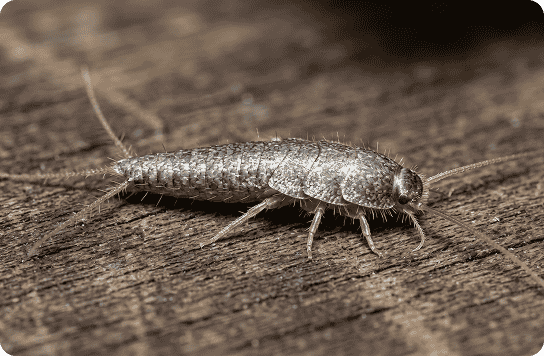
Other pests are frequently encountered. Spiders tend to follow insect populations and may shelter in undisturbed corners or exterior perimeter areas. Wasps can become a seasonal nuisance around soffits, decks, sheds, and rooflines. Bed bugs are a separate challenge, especially in multi-unit housing, hospitality settings, and other high-turnover environments. Each pest has different activity traits, but all of them can become recurring problems if the property remains vulnerable.
Commercial pest control concerns are often broader than residential ones. Food service businesses, retail stores, offices, and industrial facilities may face a combination of insects and rodents, with vector control and cleanliness both affecting outcomes. In practice, the most effective control measures are the ones tailored to the pest species, the building type, and the conditions that keep pest activity going.
How Pest Control Hamilton Programs Create Long-Term Protection
Strong pest control Hamilton plans begin with a careful home inspection. This is where a technician detects signs of pest activity, traces likely entry points, and checks for the conditions that support ongoing pest problems. The goal is not just to remove visible pests, but to understand how the infestation started and what will keep it returning if left unaddressed.
A proper treatment plan should be built around IPM. That means blending inspection, monitoring, targeted application, and prevention steps rather than relying on repeated broad treatments. Integrated pest management is especially useful for long-term pest protection because it focuses on risk reduction, source elimination, and ongoing monitoring. Instead of reacting to each new sighting, the plan addresses the environment that allows pests to thrive.
Exclusion is one of the most important parts of long-term defense. Exclusion methods may include sealing entry points, repairing screens, closing utility gaps, and improving door sweeps or weatherstripping. These steps block access for mice, rats, ants, and other pests that exploit structural gaps. Once exclusion is complete, monitoring helps confirm whether control measures are working and whether additional follow-up service is needed.
Interior treatment and exterior perimeter protection may both be used depending on the issue. A technician may apply a targeted treatment where pest pressure is highest, then track results over a set service interval. This layered approach improves performance because it combines direct pest reduction with prevention and accountability. In other words, it is designed for long-term outcomes rather than short-lived relief.
Protection Methods That Reduce Recurring Infestations
Effective prevention starts with blocking entryways. Pests need not have large openings; tiny cracks and gaps can allow access. Around Hamilton homes and businesses, common access areas include foundation cracks, utility lines, vent openings, roof edges, door thresholds, and gaps around windows. Sealing these points is one of the best exclusion methods for preventing ongoing infestations.
Good sanitation is also essential. Food debris, unsealed pantry items, overflowing bins, and dirty prep areas provide food sources that attract ants, mice, rats, and cockroaches. Proper sanitation involves regular cleaning, prompt waste removal, proper storage, and reducing clutter where pests can hide. In commercial settings, sanitation also supports compliance and can lessen the chance of pest activity spreading through shared work areas.
Controlling dampness is another major factor. Hamilton’s seasonal moisture and lake-effect conditions can create damp basements, condensation problems, and drainage issues that help pests survive. Addressing leaks, improving ventilation, drying out wet areas, and maintaining sump pumps or dehumidifiers can make a property less attractive to pests. Moisture issues are especially important because they support both insect activity and rodent survival.
Yard care can either lower or raise pest problems. Overgrown shrubs, dense mulch, stacked firewood, and untrimmed vegetation near the foundation can create harborage zones. In Hamilton, urban green spaces, escarpment edges, and backyard landscaping often connect directly to buildings, giving rodents and insects easy shelter close to entry points. Keeping plants trimmed back, limiting debris, and avoiding direct contact between soil or mulch and exterior walls can support long-term pest protection.
What to Expect From Ongoing Pest Management Plans
Ongoing pest management is built around scheduled visits, not a once-only response. For many homes and businesses, the best results come from a plan that includes routine inspection, monitoring, and modification based on seasonal pest activity. This approach recognizes that pest pressure changes over time, so control measures should change too.
Coordinated pest management is usually at the core of these plans. That means the provider will note findings, identify harborage areas, and use the least invasive effective methods possible. Depending on the pest and the property, service may include precise application, exclusion recommendations, sanitation guidance, and ongoing monitoring devices or visual checks. The purpose is to prevent a returning infestation before it becomes visible again.
Documentation is a key benefit of ongoing service. Good records show what was found, what was treated, and how the property responded over time. For commercial pest control especially, documentation can help support company audits, tenant communication, and regulatory requirements. It also makes it easier to determine whether the current service interval is effective or whether more frequent follow-up service is needed.
Mosquito Man Hamilton62 First Rd W, Hamilton, ON L8J 3R2, Canada
+1 289-408-9573
https://maps.app.goo.gl/47W3PJ15EnQopiUf6
https://sites.google.com/view/pest-control-hamilton-ontario/
43.1795221, -79.7846013
Service guarantees may also be part of a ongoing program. These vary by provider, but they often reflect confidence in the inspection process, the treatment plan, and the ability to address problems if pest activity returns. A strong plan should not feel vague; it should explain what happens after the first visit, how monitoring works, and what support is included over time.

Recurring Infestation Concerns Across Hamilton Neighborhoods
Hamilton’s neighborhoods do not all experience the identical pest pressure. Neighborhood-specific risk is shaped by building age, landscaping, proximity to green space, and the mix of residential and commercial use in the area. That is why long-term pest protection should account for local conditions rather than using a standard approach.
In downtown Hamilton, older housing and mixed-use buildings often have more structural gaps and shared access points. The lower city can face similar issues, especially in dense blocks where pest activity can move between units, commercial kitchens, storage areas, and alleyways. These conditions make recurring infestation more likely unless exclusion and monitoring are consistent.
Stoney Creek may deal with different patterns, including moisture-related concerns, larger property footprints, and outdoor spaces that support nesting sites. In Ancaster, landscaped properties and wooded edges can create harborage areas near homes and outbuildings. Waterdown can also see pest pressure linked to expanding residential areas, yard conditions, and seasonal movement from nearby natural spaces.
Across all these neighborhoods, seasonal pest activity tends to rise and fall with temperature shifts, rain, and access to shelter. Spring and summer can bring ants, wasps, and more active insect pressure. Fall often increases rodent movement indoors. Winter may reduce visible activity outdoors but can intensify problems inside heated buildings. Understanding the seasonal cycle helps property owners plan control measures before pests become established.
When to Reach out to a Professional Pest Control Company
Some pest problems can be managed with standard prevention, but recurring infestations usually need specialized help. If ants keep returning despite cleaning, if mice or rats are found repeatedly, or if cockroaches appear after treatment, the issue may involve hidden nesting sites, structural gaps, or moisture conditions that require a deeper inspection. A professional can pinpoint the root cause instead of only treating the symptoms.
Sanitation risks are another reason to call quickly. Cockroaches and rodents can cause contamination concerns in kitchens, food storage areas, and break rooms. Bed bugs can interrupt sleep and spread rapidly in multi-unit environments. Wasps can create sting risks around entrances, playgrounds, patios, and exterior work areas. In these cases, delaying service can make control harder and increase the chance of exposure.
Structural damage can also point to the need for immediate support. Rats and mice can chew insulation, wiring, and building materials. Persistent moisture and pest activity can accelerate deterioration over time. Commercial properties should be especially alert, because pest issues can affect operations, customer confidence, and tenant satisfaction. Commercial pest control is often most effective when problems are addressed early, before they spread across multiple areas.
Choosing a Suitable Hamilton Pest Control Provider
Selecting a provider for pest control Hamilton should begin with certifications. Look for qualified technicians who are familiar with local pest behavior, building types, and seasonal pest activity in Hamilton, ON. Nearby experience matters because effective service depends on knowing how area conditions affect pest pressure, from downtown Hamilton basements to suburban yards in Ancaster or Waterdown.
Environmentally friendly treatments are an key consideration for many property owners. These treatments may be part of a broader integrated pest management strategy that focuses on inspection, exclusion, monitoring, and targeted application rather than unnecessary overuse of chemicals. When used properly, eco-friendly treatments can support long-term pest protection while fitting household, tenant, or workplace preferences.
Customer reviews can also reveal a lot about service quality. Look for feedback that mentions thorough home inspection work, clear communication, useful follow-up service, and reliable results over time. Good reviews often highlight whether the company handled the root problem, not just the visible pests. Since long-term protection depends on consistency, reputation is a strong indicator of future service quality.
Key Questions to Ask Before You Book
Before booking, ask about pricing and what is included in the initial visit and any ongoing service. Ask whether the provider uses integrated pest management, what treatment methods they recommend, and how they determine the best service interval. It is also smart to ask how follow-up visits are handled if pest activity returns.
You should also ask about warranty coverage. A clear warranty can help you understand what happens if the issue is not fully resolved or if a recurring infestation appears after treatment. Ask whether the company provides documentation after each visit, whether they offer monitoring between appointments, and whether their plan includes prevention steps such as sealing entry points or recommending exclusion methods. The answers will help you compare providers and choose one that supports long-term pest protection rather than short-term cleanup.
Frequently asked questions On Ongoing pest prevention in Hamilton
How frequently should pest control Hamilton treatments be booked for long-term protection?
The best schedule depends on the property, pest type, and level of pest pressure. Many homes benefit from seasonal inspections or a recurring service interval, while commercial pest control programs may need more frequent visits. For long-term pest protection, ongoing monitoring and follow-up service usually work better than a one-time visit, especially where seasonal pest activity changes through the year.
Which pests are most frequent in Hamilton year-round?
Common local pests include ants, mice, rats, cockroaches, spiders, wasps, and bed bugs. The mix can shift with weather and neighborhood-specific risk, but Hamilton homes and businesses often face at least one of these pests during the year. Rodents and cockroaches tend to be especially persistent where food sources, moisture issues, and structural gaps are present.
Will long-term pest control plans secure for kids and pets?
They can be, especially when the provider uses integrated pest management and eco-friendly treatments where appropriate. Ask about treatment methods, placement, and any precautions needed before or after service. A qualified technician should explain how control measures are chosen to reduce exposure while still delivering effective results.
How can I tell if I need an inspection or a full treatment plan?
If you have a new or isolated concern, a home inspection may be enough to identify entry points, nesting sites, and conditions that attract pests. If you have recurring infestation, visible pest activity in multiple areas, or signs of rodents, cockroaches, or bed bugs, a full treatment plan is usually more appropriate. The inspection results should guide the next step.
How should Hamilton homeowners do to prevent pests between service visits?
Focus on pest prevention by keeping up with sanitation, storing food securely, reducing clutter, and controlling moisture. Seal any new entry points if they appear, trim landscaping away from the foundation, and watch for signs of pest activity in basements, kitchens, and utility spaces. These habits help support ongoing service and reduce the chance of pests returning between visits.